By genre.
Only genres where RNKD readers have reviewed something. A genre with nothing in it isn't a page here.
Literary Fiction
The recurring argument here is whether the emotion is earned or engineered: readers keep asking whether a book has shown enough work, forged papers, a coal shift, a season of unpaid grief, a replica-food catalogue costed to the penny, to justify the feeling it is angling for. The complaint that comes up most is not that a book went too far, but that it kept explaining what it had already proved.
12 BOOKS · 12 ROUNDTABLES

Historical Fiction
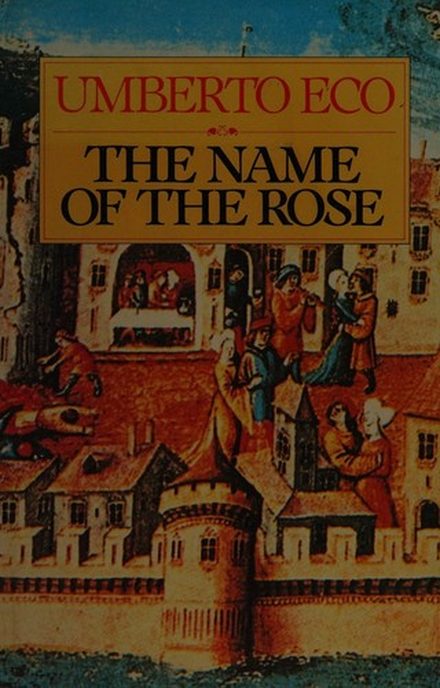
Across all three, readers argue less about the history than the size of the books carrying it: whether hundreds of extra pages of research, ritual, and repetition earn their keep or delay a story that was already working.
3 BOOKS · 3 ROUNDTABLES


Classics
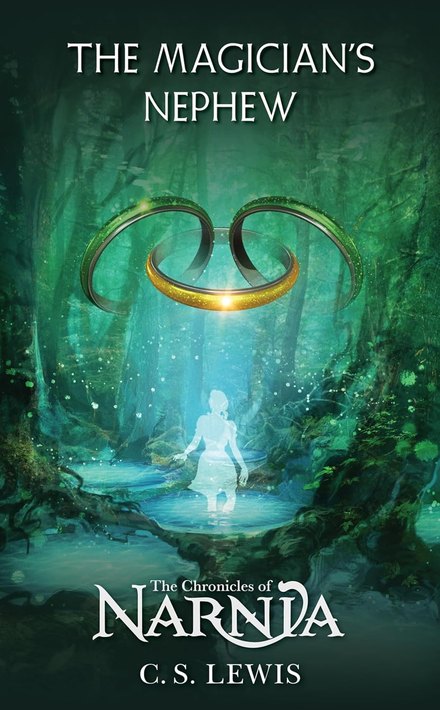
Three books, and the recurring test is who gets to be exempt: readers keep asking how much of a character's clear-sightedness, Elizabeth Bennet's, Larry Darrell's, is earned wisdom and how much is the room a comfortable income buys to be patient and right, and they find the same question waiting in Uncle Andrew, who calls it a high and lonely destiny and means that rules are for other people.
3 BOOKS · 3 ROUNDTABLES


Crime & Thriller
The fights here are about plumbing, not motive: readers keep checking whether the mechanics hold up once the emotional scenes have finished doing their work, an aging detective's stamina, an imaginary friend nobody else ever touches, a freezer door hinged the wrong way, a USB drive that goes into a pocket instead of an evidence bag. The books that survive the check are the ones where somebody is shown doing the arithmetic.
8 BOOKS · 8 ROUNDTABLES


Science Fiction
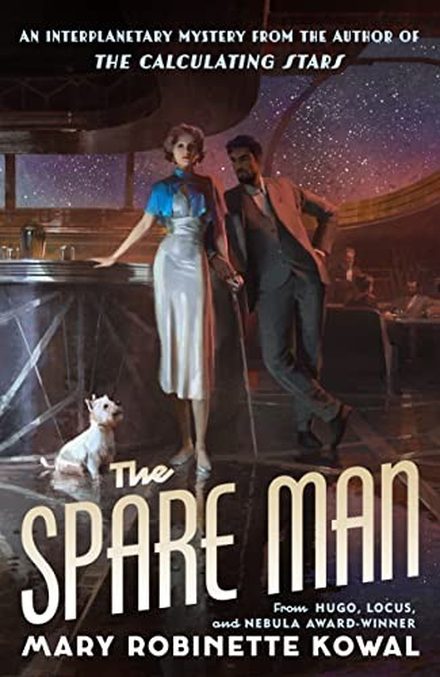
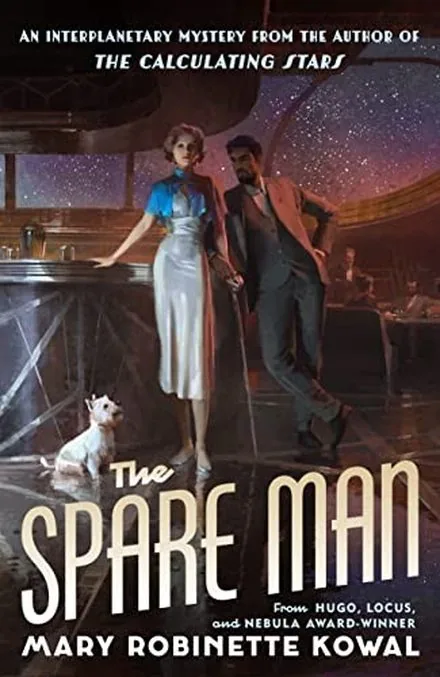
Two books, one shared instinct: put a murder in space, then refuse to make space glamorous. Readers on both agree the interest is in the maintenance, a spine that has to be managed daily, a station whose life support fails because the ambassador was drunk, and in who is left holding the work once the people with titles have walked away.
2 BOOKS · 2 ROUNDTABLES


Horror
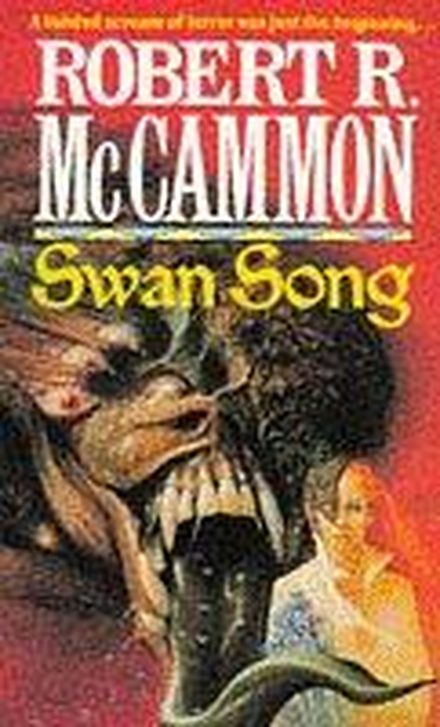
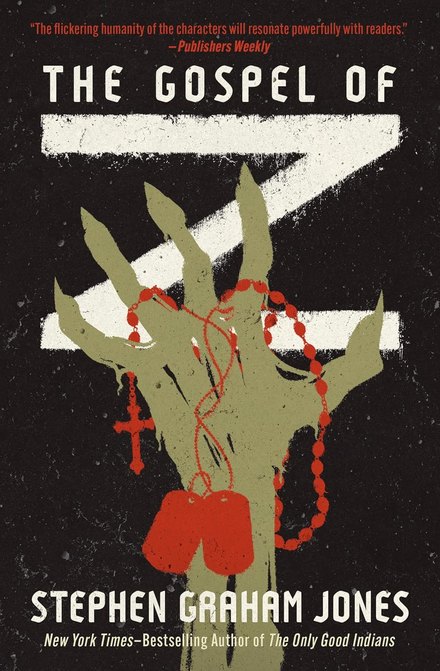
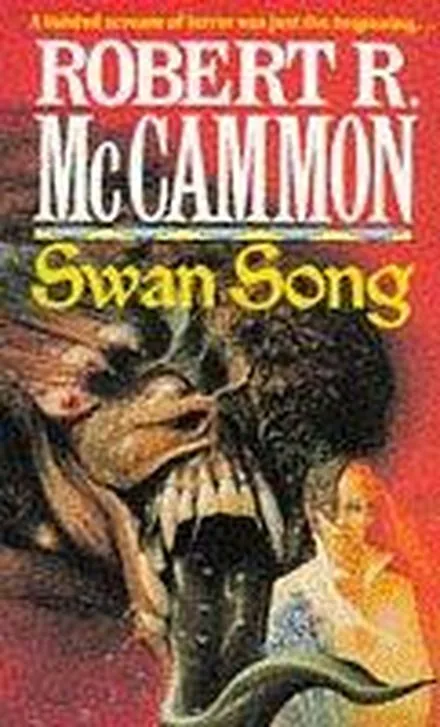
Two books, and readers have found the same thing in both: the horror is logistical. Six readers on Swan Song agreed the real threat is blocked vents and a badly maintained bunker rather than the shapeshifting villain who talks too much, and the readers who recommend The Gospel of Z do it because the book explains its own supply chain before it burns it down.
2 BOOKS · 2 ROUNDTABLES

Nonfiction
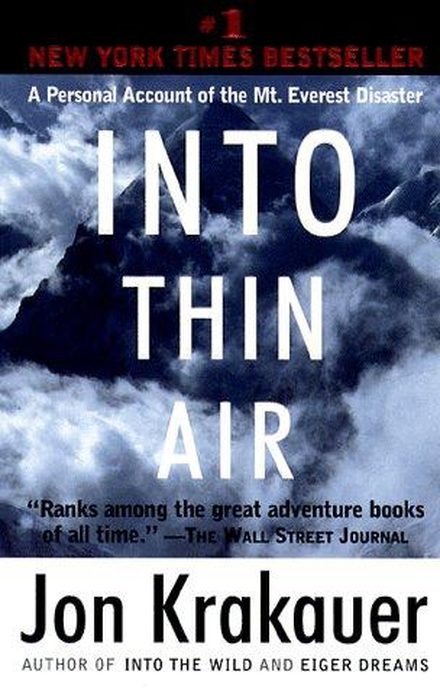
In both books, readers trust the checklist over the sermon: the specific failures, a fixed rope not ready, a screw stripped by an angry hand, land harder than either book's larger claims about heroism on the mountain or Quality as the root of reality.
2 BOOKS · 2 ROUNDTABLES

Poetry
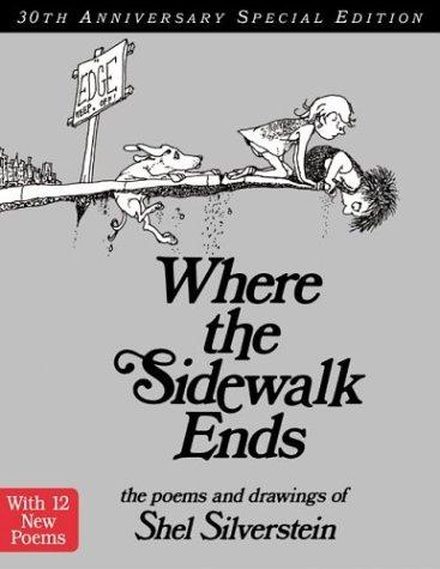
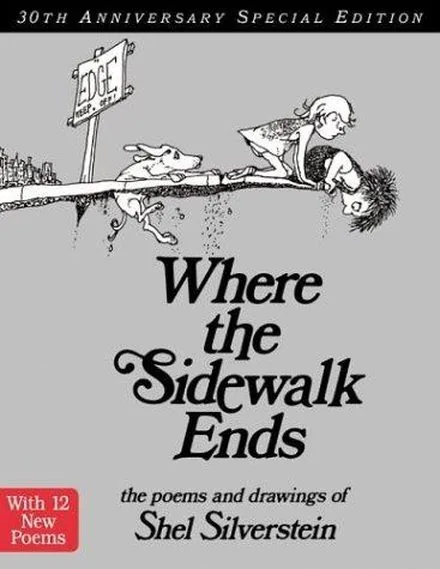
Just one poetry collection so far, so there's no real fight, only four readers agreeing that Silverstein's poems work because the child reading them has to do real work: catching the rhyme, surviving the monster, deciding if a joke is also sad.
1 BOOK · 1 ROUNDTABLE

Romance
Seven books, and these readers keep asking the same question of all of them: who is actually doing the work, and who ends up holding authority over it. A chef rebuilds a bar whose passwords leave with her, a hero replaces the furniture while the heroine is in the next room, an earl works out he owes four hundred pounds in back pay and the book never does the sum. The ones that win this group over are the ones where consent, money and competence are treated as things to be settled rather than assumed.
7 BOOKS · 7 ROUNDTABLES


Western
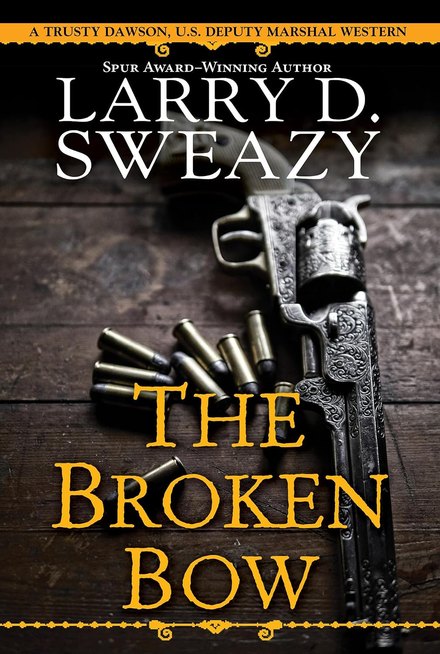
One western so far, so there is no pattern here yet, only a disagreement: eight readers agreed the cold in The Broken Bow behaves like real work, then split over a deputy who is told the warrant is his only job until it is served and spends the rest of the book proving otherwise.
1 BOOK · 1 ROUNDTABLE