Roundtable 9 READERS · 1 BOOK

Pride and Prejudice

by Jane Austen · Classics · 1813

All nine readers agree this reads less like a love story and more like a study of how good information gets buried under the story people would rather believe, especially about themselves.

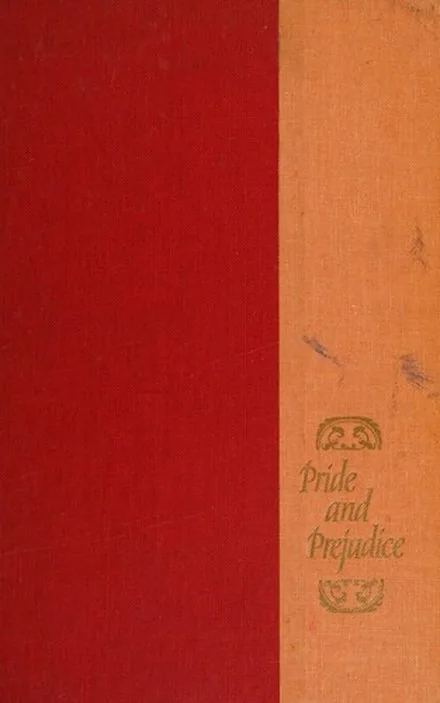
Cover of Pride and Prejudice by Jane Austen
Genre
Classics
First published
1813
Length
about 351 pages
ISBN
9798515415099
RNKD readers
9

Cover artwork © its publisher, shown to identify the book under review. Rights

Verdicts at a glance

No RNKD reader scores a book out of five, so there is no average here. Just 9 people saying what they thought. Each of them wrote before reading the others.

READER 01 OF 9

The Rent Is Due, and So Is Your Marriage

Ashley Miller

Ashley Miller, 21

7 reviews on RNKD

WOULD RECOMMEND Finished the book

SPOILERS This review discusses the whole book, including how it ends.

Spoilers throughout, including the ending and several very bad financial decisions.

The first thing I noticed about Pride and Prejudice: marriage is treated less like a romantic milestone and more like a housing plan with terrible customer service. Mrs. Bennet is trying to get five daughters placed before the entail removes their home from the family. Charlotte Lucas accepts Mr. Collins because a comfortable house and a reliable income are more useful than waiting for a man she might actually like. Wickham runs up debts, elopes with Lydia, and turns the entire Bennet family into an emergency funding request. Even Jane and Bingley, who are genuinely in love, still need the right income, the right connections, the right house, and a long series of people deciding whether their feelings are socially acceptable.

I expected to enjoy the romance, obviously, because this is Pride and Prejudice and not a book that has somehow remained famous for its exciting descriptions of local poultry. What surprised me was how much I enjoyed the household logistics. Who has a carriage. Who can afford to visit London. Which daughter is allowed into society. Whether an estate is entailed. Who is responsible for a bad marriage after the marriage has already happened. These details are not background decoration. They are the actual pressure system of the novel.

The book gets funnier whenever somebody acts as if a financial problem can be solved by good manners. Mrs. Bennet thinks marrying a rich man will fix everything. Mr. Collins thinks marrying one of the Bennet daughters is an adequate apology for inheriting Longbourn after Mr. Bennet dies. Lydia thinks running away with Wickham is a good joke because she has never had to calculate what happens after the joke. Mr. Bennet treats his wife's foolishness as entertainment for so long that he fails to protect the daughters who are living with the consequences. Everybody is making choices inside a system where women have very little control, and several of the people with the most control use it badly.

Mrs. Bennet is ridiculous, but she is not ridiculous for worrying about marriage. Her worry is structurally correct. The family has five daughters, no son, a property that will pass to Mr. Collins, and not enough independent money to make the future comfortable. She is loud about it because being quiet would not improve the situation. Her method is often terrible, especially when she announces Jane's possible engagement to a whole dining room, but the fear underneath it is real. She understands that her daughters cannot simply wait until love appears with a decent salary and a signed lease.

Mr. Bennet understands the absurdity of everyone around him and uses that understanding as an excuse not to act. His jokes are excellent. His parenting is not. He sees that Lydia is reckless, that Kitty follows her, and that his wife's indulgence is making things worse. Elizabeth explains the danger to him clearly before Lydia goes to Brighton. He decides that letting Lydia go will be less inconvenient than stopping her. Then Lydia runs away with Wickham, and Mr. Bennet has to admit that his habit of observing bad decisions without interrupting them was not a parenting philosophy. It was laziness with good lines.

That is one of the reasons Elizabeth works so well as the center of the book. She is clever, but the novel does not let cleverness count as the same thing as good judgment. Elizabeth is certain that she can read people. She sees Darcy's pride immediately, which is not difficult because he is practically carrying it in a labeled box. She also believes Wickham because he is charming, attractive, and tells a story in which he is the injured party. She is not stupid. She is biased in a way she finds entertaining.

Her turning point is not simply that Darcy gives her new information. It is that she recognizes the pleasure she took in being right about him and the pleasure she took in being admired by Wickham. Her line about being blind, partial, prejudiced, and absurd is important because she does not stop at saying that Wickham lied. She admits that she helped the lie work. She wanted the version of events that confirmed her first impression. I appreciated that the book makes self-knowledge uncomfortable instead of turning it into a motivational poster.

Darcy's development is more complicated than the usual version of the story allows. He does improve, but the first proposal is still awful. He tells Elizabeth that he loves her while also explaining how many reasons he has to consider marrying her beneath him. This is not a small communication error. It is a proposal that arrives with a spreadsheet of objections attached. Elizabeth's rejection is completely justified, and her criticism of his manners is the exact kind of correction that somebody needs when they have been rewarded for being important rather than considerate.

What makes Darcy worth forgiving is that he takes the criticism seriously. He does not demand that Elizabeth admire him because he has good intentions. He changes his behavior. At Pemberley, he is civil to Elizabeth's aunt and uncle, invites Mr. Gardiner to fish, and makes an effort to help Georgiana speak to Elizabeth. These are practical actions, not a speech about how much he has grown. He is still reserved and occasionally strange, but he has stopped treating other people as interruptions to his dignity.

I liked the Pemberley visit because the housekeeper's praise initially sounds suspiciously like a five-star employee review. Darcy is the best landlord, the best master, generous to tenants, kind to his sister, and never known to say a cross word. Elizabeth is right to be surprised. Then she sees enough of his behavior to understand that the praise is not entirely inflated. The estate itself also matters. Pemberley is beautiful because it is well managed without being gaudy or uselessly expensive. Elizabeth is impressed by taste, not just size. This is the closest the novel gets to saying that money can be acceptable if it is used with judgment.

The contrast with Rosings is obvious and funny. Lady Catherine has money, but she uses it to supervise everyone else's furniture, poultry, education, travel arrangements, clothing, and reproductive prospects. She is basically a wealthy relative who has turned unsolicited advice into a full-time position. Her belief that rank gives her authority over other people's choices is exactly what Elizabeth refuses. When Lady Catherine arrives at Longbourn to demand that Elizabeth promise never to marry Darcy, Elizabeth does not win because she has more status. She wins because Lady Catherine has no actual authority over her.

Charlotte's marriage is where the book becomes less comfortable. Elizabeth thinks Charlotte has sacrificed every better feeling to worldly advantage, but that judgment is too easy. Charlotte is twenty-seven, has little money, and cannot assume another offer will arrive. Mr. Collins is absurd, but he has a house, an income, and a position. Charlotte does not claim to be in love. She claims that she wants a comfortable home, and the book does not tell us that she is secretly miserable. Elizabeth is allowed to dislike the arrangement, but she is not entirely entitled to call it foolish. Charlotte is making the calculation available to her.

I am glad the novel does not treat Charlotte as a villain for making it. Elizabeth's romantic standards are possible partly because she has more beauty, more family affection, and eventually a much better offer. Charlotte has to make do with the options on the actual table. There is a difference between choosing love over convenience and having enough security to wait for love. Pride and Prejudice understands that difference even when Elizabeth does not.

The women in this book are constantly being evaluated for beauty, breeding, money, family, accomplishments, and marriageability. The accomplished woman discussion at Netherfield is funny because Darcy and Miss Bingley describe an impossible list of skills, then Elizabeth points out that they apparently know almost no women who meet it. The joke still works because the standard is designed to make women compete while men judge the competition. The girls paint tables, play music, draw, dance, speak languages, and read, but none of this protects them from being assessed as if they were expensive furniture.

Mary is especially painful in this system. She responds to being the plain sister by collecting accomplishments and quotations, but education has not made her generous or perceptive. She performs seriousness instead of developing judgment. I recognize the type, although I am not going to pretend I have never overexplained a discussion-board post because I wanted the rubric to know I had thoughts. Mary is not unintelligent so much as desperate to have her effort count as superiority.

Lydia's story is darker than the book's breezy tone sometimes suggests. She is sixteen, has been allowed to treat flirtation as her main activity, and is sent to Brighton despite Elizabeth explaining exactly why the situation is dangerous. Her family fails her in several directions. Her mother encourages her vanity, her father refuses to intervene, Kitty copies her, and the adults around the regiment assume that good spirits count as supervision. When Lydia runs away, Darcy's intervention prevents social and financial catastrophe, but it does not transform her. The marriage is not presented as a reward for her behavior. She remains thoughtless, Wickham remains selfish, and everyone has to keep helping them because consequences are expensive.

That practical ugliness is one of the strongest parts of the ending. Darcy pays Wickham's debts, purchases his commission, and arranges enough security to make the marriage happen. This is generous, but it is not cleanly romantic. He is repairing a disaster partly caused by his own earlier secrecy and partly because Elizabeth is suffering. Mr. Gardiner would have handled the financial rescue if Darcy had allowed him, but Darcy insists on doing it himself. His pride is still present. It has just been redirected toward responsibility instead of superiority.

The final marriages are not equally satisfying, and the novel knows that. Jane and Bingley are sweet, but their conflict depends heavily on Bingley's passivity and Darcy's confidence in his own judgment. Elizabeth and Darcy are better matched because both have had to revise themselves. They can tease each other without one of them being humiliated. Elizabeth's liveliness does not erase Darcy's seriousness, and Darcy's judgment does not crush Elizabeth's independence. The relationship works because each person has learned that being correct is not enough if you are also making other people miserable.

The prose is controlled, precise, and much funnier than the reputation of a classic novel prepares you for. Austen does not need dramatic language to expose somebody. She can do it through a polite sentence that leaves the target standing in the middle of the room with no idea what happened. The narrator's judgments are often direct, but the dialogue does most of the work. Mr. Collins can explain his own absurdity for pages. Lady Catherine can make a complete case against herself by asking one question after another. Mrs. Bennet can turn a marriage announcement into a catering emergency.

There are times when the social details slow the book down for me, especially when a conversation circles around who visited whom and whether a carriage was available. But those details are also where the stakes live. In this world, a call is not just a call. It can be a proposal, an insult, a strategic retreat, or evidence that somebody has enough money to travel without calculating the fuel first. The book asks the reader to pay attention to small movements because small movements are how these people gain or lose control.

Pride and Prejudice is ultimately about judgment under bad information. Elizabeth misreads Darcy because his pride makes the worst interpretation easy. She misreads Wickham because his charm makes the best interpretation pleasant. Charlotte reads Mr. Collins accurately and marries him anyway. Darcy sees the Bennet family clearly enough to judge them, but not clearly enough to understand how insulting his judgment sounds. Everyone has information. Almost nobody has the patience or humility to use it well.

I finished this with affection for Elizabeth, concern for Jane, irritation with Mr. Bennet, and a very strong desire to confiscate Lydia's access to every military town in England. I also ended up respecting Charlotte more than Elizabeth initially does. The romance is good, but the book is better when it is talking about money, family reputation, class, and the consequences of letting a funny person avoid responsibility. If you only want a love story, you will miss half of it. This is also a book about who gets to wait, who has to settle, who pays when a man behaves badly, and how much better life becomes when somebody finally stops treating their own judgment as infallible.

READER 02 OF 9

The Actual Problem Is Not the Proposal

Emily Johnson

Emily Johnson, 29

11 reviews on RNKD

WOULD RECOMMEND Finished the book

SPOILERS This review discusses the whole book, including how it ends.

I finished Pride and Prejudice: the bad decisions, the financial panic, the terrible relatives, and the marriages treated as both romantic outcomes and practical infrastructure, all of it. I went in expecting a famous romance and got something more useful: a novel about how badly people assess each other when pride, money, family pressure, and incomplete information are all in the room at once.

The opening line is famous because it is accurate enough to be funny. A wealthy single man moves into a neighbourhood, and every family immediately treats him as a housing and marriage opportunity with a pulse. Mrs. Bennet is not subtle about this, but the important point is that she is not operating in a vacuum. The Bennet daughters have limited financial security. Longbourn is entailed away from them, their father has not saved responsibly, and marriage is one of the few available ways for a woman with a small fortune to secure a tolerable future. Mrs. Bennet is ridiculous, but the situation is not. That distinction is where the book gets much sharper than a simple comedy of manners.

I laughed at Mrs. Bennet constantly, especially when she treats bad weather as a personal ally because Jane has been forced to stay at Netherfield. She is exhausting in exactly the way a person can be exhausting when every conversation becomes an emergency and every emergency is somehow about her. Mr. Bennet is funnier, but the novel does not let him off as easily as a reader might. His sarcasm gives him an escape from responsibility. He knows his wife is foolish and his younger daughters are poorly supervised, but he mostly watches the damage as if it were a private entertainment. Elizabeth loves him, and I understand why. He is observant, affectionate toward her, and much less oppressive than the people around him. But he is also a father who sees the structural problem and chooses jokes over intervention.

That family dynamic matters because Elizabeth is not only judging other people. She is trying to decide whether her own judgement can be trusted. She is quick, funny, and observant, but she is also pleased by being clever. Darcy irritates her at the assembly by calling her merely tolerable, and she turns that insult into a story she can retell. Wickham then gives her exactly the kind of explanation she is ready to believe. He is handsome, easy to talk to, and presents himself as the injured party with enough detail to sound credible. Elizabeth does not fall for him because she is stupid. She falls for the account because it confirms what she already wants to think about Darcy.

That is the book's strongest idea, and it is more specific than the usual lesson about not judging by appearances. Elizabeth is not simply fooled by a handsome face. She is fooled by a story that gives her vanity a useful job. She can call herself discerning while enjoying the attention of the person who flatters her opinions. Darcy, meanwhile, is right about Wickham but wrong about what gives him the authority to control Bingley's life. Being correct about another person's character does not automatically make interference respectable. He acts as if his judgement is a public service. It is not. He decides that Jane is indifferent, decides that her family is unacceptable, and arranges the result without giving Jane a chance to explain herself. His later remorse is real, but the harm is not imaginary just because he eventually becomes nicer.

The proposal at Hunsford is the clearest example of why Darcy has to change. He tells Elizabeth that he loves her while listing all the reasons the marriage would lower him. That is not a romantic confession. It is an administrative complaint delivered with strong feelings. Elizabeth's refusal is completely justified, even before she learns the truth about Wickham. Darcy's letter is more complicated. It explains his actions, but it does not erase the arrogance behind them. Elizabeth's response to the letter is one of the best pieces of self-correction in the novel because she does not merely announce that she has learned a lesson. She goes back through the evidence and identifies the part vanity played in her conclusions. She was not just wrong about Darcy and Wickham. She was wrong in a way that felt good.

I appreciated that the book gives Elizabeth genuine intelligence without pretending intelligence makes her immune to bias. She can read a room better than most of the people in it and still miss the central fact because she enjoys the version of events that flatters her. Her change is not a personality transplant. She remains funny and resistant to bad authority. She simply becomes more willing to ask whether her reaction is evidence. That is a much more useful form of maturity than becoming quiet or agreeable.

Charlotte Lucas is where the romance becomes uncomfortable in a productive way. Elizabeth sees Charlotte's decision to marry Mr. Collins as humiliating and almost incomprehensible. I understand Elizabeth's response, because Collins is pompous, needy, and so committed to his own importance that he treats a clear refusal as encouragement. But Charlotte is twenty-seven, has little money, and does not have a realistic list of better options waiting outside the house. She chooses security and a home of her own. The novel does not ask me to admire Collins or pretend that Charlotte has found a great love. It asks me to notice the cost of having no good choices.

I liked that Elizabeth's judgement of Charlotte is not allowed to remain entirely comfortable. Elizabeth is right that Charlotte will not receive the kind of marriage she wants for herself. She is less right to treat Charlotte's choice as a failure of principle. People with money can call a practical decision unromantic. People without money may have to call it Tuesday. Charlotte is not foolish. She is making a calculation inside a system that has already narrowed her options. Her careful management of the house, including arranging rooms so Collins spends less time in the sitting room, is not sentimental, but it is effective. She builds the most tolerable life available to her. That is not the same as happiness, but it is not nothing.

Mr. Collins is one of the book's most successful comic characters because his politeness is not connected to kindness or self-awareness. He apologizes, praises, and speaks in the language of humility while constantly centering himself. His proposal to Elizabeth is especially funny because he has a complete procedure for marriage and almost no interest in the person he is supposedly asking. He has reasons, expectations, and a preferred outcome. He does not have curiosity. When Elizabeth says no, he decides that she is following the customary pattern of refusing before accepting. There are people who hear a boundary and treat it as a negotiation. Austen understood that behaviour very well.

The Lydia plot is less funny, and it is where the book makes its practical consequences impossible to ignore. Lydia's elopement with Wickham is not a charming rebellion. It is a crisis that threatens the reputation, security, and marriage prospects of every Bennet sister. Elizabeth's earlier decision not to expose Wickham's character is understandable, but it is also a mistake. She and Jane wanted to avoid damaging him without knowing whether he might change. That restraint leaves Lydia uninformed and unprotected. The novel is not saying that Elizabeth caused the elopement. Lydia's parents failed her first, especially Mr. Bennet, who saw her recklessness and let it continue because disciplining her would have been inconvenient. Still, Elizabeth is forced to confront the difference between avoiding gossip and withholding information that might keep someone safe.

The rescue also complicates the romance. Darcy pays Wickham's debts, purchases his commission, and arranges the marriage, while the Gardiners provide the immediate practical support and social protection. This is generous, but it is not a clean heroic gesture. Darcy is partly motivated by love for Elizabeth and partly by responsibility for his own earlier silence. He knows Wickham's character and did not make that knowledge public because he considered it beneath him to explain himself. His reserve helped create the conditions in which Wickham was trusted. Darcy's money gives him the ability to repair damage that other people could only endure. The book knows that money is power, even when it is being used well.

The romance works for me because Elizabeth and Darcy do not simply discover that they were secretly perfect for each other. They become more accurate about each other. Darcy learns that good principles are not enough if his manner makes every interaction an insult. Elizabeth learns that wit is not the same as insight. Their second proposal is better because the power has changed. Darcy is no longer assuming that his status makes acceptance likely, and Elizabeth is no longer rejecting him because she enjoys the certainty of disliking him. They still tease each other, but the teasing is no longer being used to avoid the truth.

I also liked that Jane and Bingley's relationship is quieter and less psychologically dramatic. Jane is kind, but her kindness sometimes becomes a refusal to believe bad information. Bingley is pleasant, but he is too dependent on stronger personalities to make decisions confidently. Their relationship is not only threatened by Caroline Bingley's interference. It is threatened by Bingley's willingness to let Darcy decide what is best. Jane and Bingley are happy because they are well matched in temperament, but the novel is clear that good people can still create pain through passivity.

The book is not equally patient with every character. Mary Bennet's speeches can feel like a joke that has already explained itself, and Lydia's scenes eventually become repetitive because she learns almost nothing from consequences. Some of the social gatherings also follow a familiar pattern: someone says something foolish, Elizabeth notices, and the room rearranges itself around the embarrassment. That repetition is part of the novel's design, but I did not enjoy every instance equally. The conversations are the point, yet a few scenes feel like the same family problem being brought back for another inspection.

Still, the dialogue carries an enormous amount of the book. Austen can show class anxiety, vanity, desire, resentment, and affection in a sentence that sounds socially polite. Lady Catherine is funny because she treats control as a form of generosity. Her visit to Longbourn is not just an entertaining confrontation. It shows how entitlement works when somebody assumes that other people's lives are available for her management. Elizabeth's refusal to promise anything is satisfying because she does not need Lady Catherine's approval in order to know what she intends to do. Lady Catherine arrives expecting obedience and leaves with information she cannot use.

I finished the novel convinced that its central subject is not romance in isolation. It is the danger of treating confidence as competence. Mr. Bennet is confident in his ability to observe, Darcy is confident in his judgement, Elizabeth is confident in her cleverness, Wickham is confident in his charm, and Lady Catherine is confident in her right to direct everyone else. Some of them revise themselves. Some do not. The people who become happier are not the people who stop having flaws. They are the people who can recognize that their preferred explanation may be wrong.

Pride and Prejudice is funny, but it is not soft. It understands that money determines who gets to wait for love, who can afford to refuse a bad proposal, who can repair a public mistake, and who has to marry the best option available. It also understands that a person can be materially secure and still behave badly, or be socially awkward and still be decent. I liked Elizabeth and Darcy most once the novel stopped treating their first impressions as entertainingly inevitable and made them do the less glamorous work of changing. That tracks as a romance to me. The proposal is not the proof that everything is fixed. The proof is that, after being corrected, they are willing to act differently.

READER 03 OF 9

The Problem With People Who Never Say What They Mean

James Wilson

James Wilson, 38

12 reviews on RNKD

WOULD RECOMMEND Finished the book

SPOILERS This review discusses the whole book, including how it ends.

Pride and Prejudice is often described as a love story, which is accurate in the same way that a disputed invoice is technically an amount still waiting to be reconciled. The marriages matter, obviously, but the book is really about judgement. More specifically, it is about how quickly people turn limited information into a settled view of somebody else, then defend that view because changing your mind would be embarrassing.

That sounds like a serious subject, but Austen makes it funny almost immediately. Mrs. Bennet hears that a wealthy unmarried man has rented Netherfield and treats the information as an operational instruction. Mr. Bennet responds by pretending not to visit Bingley, then visits him anyway, mainly so he can watch his wife and daughters react. Their marriage is not affectionate in any conventional sense, but it is an efficient arrangement for producing jokes. He has the intelligence and she has the volume. Between them, the five daughters are expected to secure the family's future before the entail passes Longbourn to Mr. Collins, a distant male relation who has never done anything to earn the estate beyond existing in the correct legal position.

The practical problem underneath all the assemblies, dresses and romantic misunderstandings is that the Bennet women have very little security. Their father's estate is entailed away from them, their mother has no useful plan beyond marrying them, and Mr. Bennet has spent years amusing himself instead of preparing properly for the consequences. The book does not turn this into a lecture. It lets Mrs. Bennet complain about her nerves while the reader can see the actual nerves underneath the situation. Five daughters, limited money, no son and a house that can legally pass to a stranger is not a minor inconvenience. It is a family administration failure with excellent dialogue.

Elizabeth Bennet is the reason the book works. She is funny, observant and unusually confident in her own ability to judge people. That last quality is both her strength and her central mistake. She dislikes Darcy from their first meeting because he is rude, proud and says she is not handsome enough to tempt him. This is a reasonable basis for avoiding him at future social events. It is not a reasonable basis for deciding that every later account of his character must be true, but Elizabeth is not interested in that distinction until it becomes unavoidable.

Wickham understands exactly how to speak to her. He does not merely accuse Darcy of mistreating him. He provides a coherent story, delivers it with apparent reluctance, and gives Elizabeth enough detail to make the account feel independently verified. He knows when to pause. He says he does not want to expose Darcy, then exposes him in a way that makes him seem honourable for doing so. Elizabeth accepts the performance because it confirms what she already believes. There is a useful lesson here, although Austen does not underline it: a confident explanation is not the same thing as evidence, and a person who appears open may simply be better at controlling the conversation.

Darcy, meanwhile, has a genuine problem with customer communication. He is intelligent, well informed and capable of acting generously, but he gives people no usable explanation of what he is doing. He sees the defects around him with considerable accuracy and then communicates his conclusions in a way guaranteed to make everyone hate him. His first proposal to Elizabeth is a particularly poor piece of relationship management. He tells her that he loves her while also explaining that her family, connections and social position have made the whole matter a humiliating struggle. It is honest, perhaps, but honesty without any judgement about timing or audience is not automatically a virtue.

Elizabeth rejects him, and the rejection is deserved. She blames him for separating Jane and Bingley, and for ruining Wickham's prospects. Darcy's response is not another argument in person. He writes a letter setting out the information Elizabeth does not have, including the fact that Wickham accepted money instead of the church living he claims was stolen from him, and that Wickham later attempted to elope with Darcy's fifteen-year-old sister for her fortune. This is the point where Elizabeth's confidence in her own judgement begins to collapse. She has to admit that she preferred the version of events that suited her feelings, and that her vanity was involved. She did not love Wickham, but she enjoyed being preferred by him and enjoyed being clever at Darcy's expense.

Her line, "Till this moment I never knew myself," is not just a neat statement of personal growth. It is the book's main argument. Self-knowledge is not achieved by having a consistent opinion about yourself. It requires noticing where your reasoning has been serving your pride. Elizabeth is not foolish. She is worse than foolish in a more interesting way: she is clever enough to construct excellent explanations for conclusions she reached for emotional reasons.

The book is also very good on the difference between affection and suitability. Jane and Bingley are genuinely fond of each other, but Bingley is so easy to influence that his good nature becomes a weakness. Darcy persuades him that Jane is indifferent, and Bingley accepts the conclusion because he trusts Darcy's judgement more than his own. This is not quite the same as Darcy forcing him into an unwanted marriage decision, but it is still an impressive amount of interference from a friend. Darcy has identified a real issue, Jane's feelings are restrained and her family behaves badly, then turns that information into authority over another adult's life.

Charlotte Lucas provides the harder counterpoint. Elizabeth is horrified when Charlotte accepts Mr. Collins, because Charlotte does not love him, barely respects him and clearly understands that he is a pompous, narrow-minded nuisance. Charlotte accepts him because she is twenty-seven, has little money and wants a secure home. Elizabeth thinks this is a failure of principle. Charlotte thinks it is a sensible response to the options available. The book does not entirely resolve the argument. Elizabeth is right that marriage to Collins cannot be pleasant. Charlotte is right that romantic standards are easier to maintain when somebody else is paying the mortgage, or the eighteenth-century equivalent of it.

Mr. Collins is one of the funniest characters in the book because he is not merely stupid. He is stupid with a system. He has memorised the language of humility, duty and gratitude, then uses it to advertise his own importance. He apologises at length while making the conversation about how virtuous he is for apologising. He praises Lady Catherine because her approval is the centre of his professional and social world. When Elizabeth refuses him, he assumes she is following a standard female procedure and will eventually accept. Her actual answer does not enter his calculations because his understanding of women is based on a set of rules rather than on listening to the woman in front of him.

Lady Catherine is the same problem with a larger house. She believes that rank gives her the right to manage every detail of other people's lives, from the education of Elizabeth's sisters to the way Charlotte keeps her poultry. Her confrontation with Elizabeth is one of the best scenes in the novel because Elizabeth refuses to treat authority as an argument. Lady Catherine says that Darcy and Anne were intended for each other from infancy, as if a plan made by their mothers has contractual force. Elizabeth points out that Darcy is not actually engaged to Anne. That is the whole issue, and Lady Catherine cannot make it disappear by speaking more loudly.

The Pemberley visit changes the balance because Elizabeth sees evidence that Darcy's private conduct is different from his public manner. The housekeeper describes him as a good landlord, master and brother. The estate itself is attractive because it is well managed without being gaudy. Even the grounds are presented as beautiful because they have not been overworked. Elizabeth begins to understand that Darcy's reserve may be a failure of social presentation rather than proof of general malice. She also sees that he has the capacity to change when he understands that his behaviour has caused harm.

I liked that the novel makes Darcy's improvement practical rather than sentimental. He does not become a chatty, universally pleasant man. He speaks more civilly to Elizabeth's aunt and uncle, introduces Elizabeth to Georgiana, and uses his money and influence to repair the consequences of Wickham's actions. The intervention is generous, but it is not clean. He pays Wickham's debts, arranges the commission and secures the marriage, while allowing the Gardiners to receive the credit. He does this because he loves Elizabeth, but also because he recognises that his own secrecy helped leave Wickham's character misunderstood. The motive is personal, the reasoning is moral, and the result is useful. That is a better combination than most fictional grand gestures manage.

The Lydia plot is darker than the comic tone sometimes suggests. Lydia is sixteen, badly supervised, interested in attention and unable to imagine consequences beyond the next amusing event. Mr. Bennet knows this and still lets her go to Brighton because he finds her difficult and believes the danger will be somebody else's problem. Elizabeth warns him. He makes a joke. The book is very clear that neglect can look like tolerance for a long time, particularly when the person neglecting the problem is entertained by it.

The ending does not pretend that marriage has transformed anyone. Lydia remains foolish, Wickham remains unreliable, and they repeatedly need financial help. Mrs. Bennet remains silly. Mr. Bennet regrets his failures but does not become a model father overnight. Kitty improves when removed from Lydia's influence. Mary is still capable of turning any event into a moral paragraph. These people do not receive equal and opposite character arcs just because the romantic plot has been resolved. Their habits continue, which is more believable and much funnier.

What surprised me most was how modern the book feels whenever someone confuses being accountable with being in control. Darcy is accountable for the effects of his decisions without being entitled to decide everybody's happiness. Mr. Bennet is responsible for his family but keeps withdrawing into wit. Mrs. Bennet sees the financial danger but converts it into frantic matchmaking. Elizabeth values independence but initially assumes that her own reading of people is more reliable than evidence. Everyone has a partial truth and then overcharges it.

I finished the book with a great deal of respect for it, and rather more sympathy for Darcy than I expected. He is not secretly perfect. His first judgement of Elizabeth's family is often justified, but his confidence in making decisions for others is not. Elizabeth is not simply rewarded for being lively. She has to learn that being amusing does not protect her from being wrong. Their eventual marriage works because both of them have been forced to revise themselves, not because one of them finally wins an argument.

The book is long enough that some conversations repeat the same social information, and Mrs. Bennet's nerves can become a recurring administrative burden. That said, the repetition usually has a purpose. The same families keep talking because the same families keep misunderstanding each other. No one has access to the full file, but everyone is happy to approve a conclusion.

Pride and Prejudice is a romance, but it is also a book about checking the source before acting on the information. That is a sensible rule at work and at home. It may be less useful at a country ball, where there are no shared folders and everybody's aunt has already forwarded the rumour.

READER 04 OF 9

A Very Good Case for Paying Attention Before You Decide

Jessica Brown

Jessica Brown, 48

14 reviews on RNKD

WOULD RECOMMEND Finished the book

SPOILERS This review discusses the whole book, including how it ends.

I expected Pride and Prejudice to be a romance about Elizabeth Bennet and Mr. Darcy. It is that, but it is also a long examination of how people make decisions with incomplete information, defend those decisions after the evidence changes, and confuse confidence with good judgment. In other words, it is a book about people forming conclusions before they have checked the facts. I have met the modern workplace version of nearly every person in it.

The opening situation is simple enough. Mrs. Bennet wants her five daughters married, preferably to men with money and a house. Mr. Bennet would rather read and make remarks from a safe distance. A wealthy young man, Mr. Bingley, rents Netherfield, and the neighborhood begins organizing his future before he has had time to unpack. His friend Mr. Darcy is rich, reserved, and rude at the first assembly, where he says Elizabeth is tolerable but not handsome enough to tempt him. Elizabeth hears this, quite reasonably dislikes him, and then proceeds to make the mistake the title has already promised us: she trusts her first judgment because it is satisfying.

What I liked immediately was that Austen does not treat matchmaking as a private romantic concern. It is tied to money, housing, family reputation, inheritance, and the limited options available to women with little property of their own. The Bennet estate is entailed away from the daughters, so when Mr. Bennet dies, Mr. Collins will inherit Longbourn. That is not a decorative legal detail. It is the practical reason Mrs. Bennet is frantic, the reason Mr. Collins considers marrying one of his cousins an act of compensation, and the reason Charlotte Lucas accepts him when Elizabeth refuses.

Charlotte's decision is one of the parts of the book I found most useful and least comfortable. Elizabeth is horrified that her sensible friend would marry a pompous, foolish man. Charlotte is twenty-seven, has little fortune, and wants a comfortable home. She knows Mr. Collins is not pleasant. She also knows that the available choices are not theoretical. Her marriage is not presented as romantic, but neither is it dismissed as simple stupidity. Elizabeth's judgment is emotionally understandable and materially incomplete. Charlotte's choice is prudent in one sense and bleak in another. Both women understand something the other does not.

Mr. Collins is an excellent example of a person who mistakes procedure for competence. He is full of formal language, correct observances, and references to Lady Catherine de Bourgh, but he cannot understand a direct refusal. Elizabeth tells him no repeatedly, in increasingly clear terms, and he interprets the refusal as an established feminine maneuver designed to increase his affection. This is funny, but it is also a recognizable failure of listening. He is not confused because Elizabeth is unclear. He is confused because the answer does not fit the outcome he has already decided he deserves.

Lady Catherine is his more powerful counterpart. She believes authority is the same thing as reason, and she gives opinions in the form of instructions. She asks Elizabeth about her family, education, sisters, music, drawing, and governess as if conducting an inspection for which Elizabeth forgot to prepare the documents. Elizabeth does not become rude for the pleasure of being rude. She refuses to surrender her judgment simply because the other person has a title. That distinction matters to me. There is a difference between courtesy and submission, and Elizabeth knows it.

The book's central mistake is not that Elizabeth dislikes Darcy. Darcy's behavior at the beginning gives her plenty to work with. He is proud, socially unpleasant, and too conscious of status. His first proposal confirms much of what she already dislikes because he describes his love alongside a detailed account of how difficult it has been for him to overlook her inferior connections. That is not a strong communication strategy. It is like beginning a difficult conversation with, "I have decided to tolerate the problem."

The problem is that Elizabeth accepts Mr. Wickham's story because it arrives in a form she finds attractive. He is handsome, open, agreeable, and willing to tell her that Darcy has wronged him. Darcy, meanwhile, is guarded and visibly dislikes him. Elizabeth calls this discernment. It is mostly preference supported by selective evidence. Jane is more cautious, but Elizabeth finds Jane's habit of allowing for mistakes too generous. The irony is that Jane's restraint is closer to fairness, while Elizabeth's liveliness is more entertaining and less reliable.

Wickham's deception is not just a plot twist. It shows how easily a person can use a polished personal account to control the terms of an investigation. He gives Elizabeth names, background, and enough specific detail to make the story feel documented. He also tells it to a near stranger, which should have been a warning. His account makes Darcy look cruel, while Wickham looks wounded and modest. Elizabeth does not ask what evidence would confirm the story because she enjoys having a villain and because Darcy has already made himself easy to dislike.

Darcy's letter changes the book because it gives Elizabeth information she cannot dismiss without admitting that she is protecting her own pride. His account of Wickham is persuasive partly because it includes facts that match what Wickham said, then changes the meaning of those facts. Wickham was supported by Darcy's father. He was offered a church living, chose money instead, spent the money, and later returned demanding the living as though the earlier settlement had not occurred. He then tried to elope with Darcy's fifteen-year-old sister for her fortune. Elizabeth has to revise her entire judgment because the evidence is no longer arranged to flatter her.

Her response is one of the strongest moments in the novel: "Till this moment I never knew myself." That is not a decorative confession. It is the actual work of changing one's mind. Elizabeth recognizes that vanity, not love, was her weakness. She liked Wickham's preference and resented Darcy's neglect. She also liked the feeling of being clever about Darcy. There is a particular kind of satisfaction in identifying somebody else's flaw and then finding evidence everywhere. The satisfaction is not proof.

I appreciated that Darcy must change too. Elizabeth's refusal does not magically make him a better person. He has to recognize that his principles have been accompanied by arrogance, that he has allowed wealth to shape his expectations of other people, and that his intervention in Bingley's relationship was based on an overconfident reading of Jane's quiet manner and an unfair judgment of the Bennet family. His improvement is shown through conduct. At Pemberley he treats Elizabeth's aunt and uncle with genuine respect, invites Mr. Gardiner to fish, and helps Lydia without announcing himself as the family rescuer. That is more convincing than a speech about personal growth would have been.

The Gardiners deserve special attention because they provide the practical competence missing from much of the Bennet household. When Lydia runs away with Wickham, Mr. Gardiner investigates, gathers information, and takes responsibility for the next steps. Elizabeth's father has wit but has neglected his duties. Her mother has energy but no judgment. Jane has kindness but avoids unpleasant conclusions. Mr. Gardiner is the adult who starts asking what is known, what remains uncertain, and what action is possible. This is not glamorous work, but it is the work that prevents a bad situation from becoming worse.

The Lydia plot is also where the novel is least comfortable. Lydia is sixteen, poorly supervised, eager for attention, and allowed to travel into a dangerous situation with more excitement than preparation. Mr. Bennet understands the problem only after the consequences arrive. Elizabeth warned him before Lydia went to Brighton, and he chose convenience over intervention. His jokes are often funny, but the book makes clear that his wit has been a way of avoiding responsibility. He has watched his family become less disciplined because their foolishness entertained him. A manager who laughs at a recurring conduct problem and then acts surprised when it becomes a serious issue would recognize him immediately.

The ending gives the expected marriages, but it does not pretend that marriage fixes character. Jane and Bingley are well matched, though both are so agreeable that someone needs to make a decision occasionally. Elizabeth and Darcy have a better chance because they have been forced to examine themselves. Lydia and Wickham remain irresponsible and financially unstable. Wickham's affection fades, Lydia's does not, and Elizabeth continues sending them money because she understands that family obligations are often unfair and still real. There is no tidy conversion of the reckless into the responsible.

I also liked that Elizabeth's family does not become suddenly polished once Darcy proposes. Mrs. Bennet remains silly and delighted by ten thousand pounds a year. Mr. Bennet remains funny, loving, and frustratingly passive. Mary continues to moralize. Lady Catherine remains offended. The social system has not been repaired. Elizabeth and Darcy have simply learned to operate within it with a better understanding of one another and of their own weaknesses.

My main reservation is that the novel sometimes gives the reader more social detail than I wanted, especially around repeated visits, dinners, dances, carriages, and who is expected to call on whom. I understand that these are not filler. They establish status, obligation, access, and exclusion. Still, there were moments when I wanted someone to identify the decision owner and the effective date. Austen's conversations are sharp enough to keep the long stretches moving, but the book does require patience with the administrative structure of courtship.

That patience is worth it. Pride and Prejudice is funny because its people are absurd, but it lasts because their absurdity has consequences. Elizabeth is not rewarded for being witty. She is rewarded after admitting that wit did not make her accurate. Darcy is not redeemed by loving her. He is redeemed by changing how he treats people when he has no guarantee of getting what he wants. Charlotte is not punished for choosing security. Lydia is not rescued into maturity. The book understands that people can be intelligent in one area and foolish in another, and that good intentions do not cancel bad judgment.

For me, this became a book about the danger of making a confident decision before asking what information is missing. I enjoyed Elizabeth's humor, trusted her less than she trusted herself, and found the eventual relationship convincing because both people had to revise their accounts of themselves. The romance is satisfying, but the better lesson is procedural: before deciding who is proud, who is innocent, or who deserves your confidence, let the record develop. Also, if a man has been invited to dance and says you are only tolerable, you are allowed to remember that for a while.

READER 05 OF 9

The actual problem is not the proposal

Noa Levi

Noa Levi, 27

11 reviews on RNKD

WOULD RECOMMEND Finished the book

SPOILERS This review discusses the whole book, including how it ends.

Most people describe Pride and Prejudice as a romance where a proud man learns humility and a sharp woman learns to judge more carefully. That description holds up, but it isn't what stuck with me. What stuck with me was watching bad information travel through a small network, picking up confidence at every handoff, and hurting people before anyone checks where it came from.

That sounds more like a launch problem than a marriage plot, but the parallel holds. Mrs. Bennet hears that a wealthy single man has rented Netherfield, and within minutes the fact has turned into a family plan, then a social expectation, then a whole chain of assumptions about which daughter he'll marry. Nobody has asked what Mr. Bingley wants. The signup form is live, but nobody has tested what happens on the next screen.

I liked this book far more than I expected to. I already knew its general shape from cultural osmosis, the way most people do. Knowing Elizabeth and Darcy end up married doesn't spoil the pleasure of watching Elizabeth be wrong in specific, embarrassing ways. Austen writes her as genuinely intelligent without making that intelligence dependable. Elizabeth notices everything that supports what she already believes and mistakes that for observation. She isn't stupid, which is exactly why her mistakes are so uncomfortable to watch.

The opening chapters lay out the family's whole system in very few pages. Mrs. Bennet wants husbands for her daughters because in this family marriage was never just romance. It's housing, income, status, and protection from what the entail will do to them. None of the five daughters can inherit Longbourn, and Mr. Collins, whom Elizabeth correctly pegs as pompous and ridiculous, is legally next in line for it. That isn't a background detail. It's the financial structure sitting underneath every conversation about love in this book.

Mr. Bennet knows all this. He treats it as entertainment anyway. His jokes often land well; the line about Mrs. Bennet's nerves being his old friends is funny precisely because it's so cruel and so accurate. But the novel refuses to let his wit excuse him. He has spent years watching his household instead of running it. He sees that Lydia and Kitty are foolish. He notices his wife is unreasonable. He never puts anything in place to stop the damage he can already predict.

That's one of the book's sharpest judgments, and it matters more once Lydia runs off with Wickham. Elizabeth had already told her father that Lydia was vain, uninformed, and out of control. Mr. Bennet heard the warning and did nothing, because sending Lydia to Brighton was easier and cheaper than managing her at home. This isn't one bad romance catching him off guard. It's the result of years of deferred maintenance, and everyone still acts shocked when the whole thing finally breaks.

The book is especially sharp about how charm can bend evidence. Wickham is good-looking, sociable, and instantly ready with a story in which he's the wronged party. He tells Elizabeth that Darcy cheated him out of a church living Darcy's father had promised him. The story has names, details, visible feeling, and a flattering excuse for why he's confiding all this in a near stranger. Elizabeth believes it because it fits what she already thinks of Darcy. She never asks for documents, witnesses, or even a second account before she settles on a conclusion.

Darcy, for his part, behaves so badly in public that he makes Wickham's version easy to swallow. At the first ball, he calls Elizabeth tolerable but not handsome enough to tempt him. Later, when he proposes, he describes her family connections as a problem he's having to overlook, so the whole proposal sounds like a grudging concession. His feelings might be genuine, but his delivery is a disaster. Anyone who submits a request worded like that shouldn't be surprised when it comes back denied.

That first proposal never read as romantic to me. It's a man listing every reason he shouldn't want the woman standing in front of him, then expecting thanks for wanting her regardless. Elizabeth's refusal is earned. But she's still wrong about Wickham, and still wrong about Darcy's part in separating Jane and Bingley. That combination is what makes the scene work so well. She has spotted a genuine insult, but she has pinned it on an incomplete theory of the man delivering it.

The letter Darcy hands her the next morning shifts the whole book, and not because it announces that she's wrong. It gives her two competing accounts and forces her to weigh them against each other. Austen handles this carefully. Elizabeth doesn't read the letter once and suddenly see the light. She resists it, rereads the section about Wickham, tries to hold on to the version she prefers, then checks it against what her own memory supports. Her realization, that vanity rather than love has been her real mistake, isn't a pretty moment of self-knowledge. It's an audit of her own method.

I also appreciated that Jane isn't reduced to the good sister who lacks Elizabeth's wit. Jane's generosity is a real strength, but it also makes her too reluctant to assume bad motives in anyone. She keeps leaving room for innocent explanations even once the evidence has gotten uncomfortable. Elizabeth's habit is closing the case too fast. Jane's habit is putting off the verdict indefinitely. Neither one is enough by itself.

Charlotte's marriage to Mr. Collins is where the book denies Elizabeth the moral comfort she's after. Elizabeth believes Charlotte has traded away every better feeling for security. From where Elizabeth sits, Mr. Collins is unbearable, and she can't understand how a sensible woman would take him. Charlotte's reasoning is practical: she wants a comfortable home, and marriage is the surest thing available to a woman with little fortune. I wouldn't call the marriage happy in any emotional sense, but I think Elizabeth's judgment of it comes too easily. She can afford to refuse because her father favors her, and because she expects, without quite knowing it yet, that life still has other options in store for her.

That's why Charlotte ends up being one of the most useful characters in the book. She isn't secretly romantic, and she isn't secretly foolish either. She's making a decision under real constraints. Elizabeth's refusal of Mr. Collins is brave and right for her, but the novel refuses to turn that into a universal rule. The same choice can be principled for one woman and financially dangerous for another.

Lady Catherine is the loudest possible version of the social system Charlotte has to navigate. She asks Elizabeth how many sisters she has, whether they're handsome, why they weren't all taught music, and why all five are out in society before the elder ones have married. She doesn't need evidence, because rank has trained her to treat her own preferences as policy. Her visit to Longbourn, demanding that Elizabeth promise never to marry Darcy, is absurd, but it isn't harmless. She assumes that family authority gives her the right to manage another adult's future.

Elizabeth's response is one of the best exchanges in the book, and she wins it without ever proving Lady Catherine kind or reasonable. She refuses the assignment. She won't promise something just to calm someone else's anxiety. I like that about her. Whether Darcy has proposed is one question; whether Elizabeth will promise never to accept him is a separate one. Lady Catherine keeps trying to collapse them into a single question because she wants to control the outcome.

The romance works for me because Darcy's improvement shows up in changed behavior, not a speech about self-betterment. At Pemberley, Elizabeth sees that he's a good landlord, brother, and master. His housekeeper calls him generous and attentive. More tellingly, Darcy treats the Gardiners, relatives he once considered beneath him, with genuine courtesy. He doesn't wait for Elizabeth's connections to become impressive before he respects them. He changes how he acts even when nobody is watching to reward him for it.

His handling of Lydia's crisis is morally messy in a useful way. He pays off Wickham's debts, secures his commission, and arranges the marriage. That saves the Bennet family from social ruin, but it also lets them avoid facing the habits that caused the crisis in the first place. Mrs. Bennet treats the marriage as a triumph and starts talking about clothes, houses, and future parties. Lydia comes back from an elopement with no shame and barely any grasp of what happened. The problem gets contained, not solved.

Darcy's help isn't purely selfless either. He admits he wanted to make Elizabeth happy. I believe him, and I don't think that makes the gesture worthless. People rarely act from a single motive. He bore some responsibility for keeping Wickham's character hidden, he had the money to repair part of the damage, and he loved Elizabeth. The book is better for letting all three of those stay true at once.

The ending delivers marriages, not a magical repair of the family. Jane and Bingley are well matched, though Darcy has had to give Bingley permission to trust his own judgment, which is both funny and a little alarming. Elizabeth and Darcy have the best odds because both of them have been forced to examine themselves. Lydia and Wickham stay financially shaky and morally unserious. Mrs. Bennet stays silly. Mr. Bennet stays amusing and inadequate. Kitty improves once she's out from under Lydia's influence. Nobody gets a personality transplant just because a wedding happened.

I wouldn't recommend this to someone who needs a romance built on clear emotional declarations and prompt communication. Almost every major problem here drags on because people hide information, misread behavior, or let social rules speak for them instead. That can sound exhausting, and sometimes it is. The middle of the book is made of visits, letters, balls, walks, and conversations where the real subject usually goes unmentioned. I found that structure satisfying, because the small events carry real weight, but I understand wanting someone to just send the message already.

What surprised me most was how modern this book felt, even though it never pretends its world is modern. The marriage market runs on money, family reputation, gendered limits, and legal arrangements. People get judged on partial information. Wealth changes how rudeness gets read. A confident man with a pleasant face can spread a false story faster than a reserved man can correct it. The tools have changed, but the failure hasn't.

Pride and Prejudice isn't about becoming less proud in some abstract sense. It is about checking what you think you know before you build a life around it. Elizabeth learns to question her own assumptions. Darcy learns that good intentions don't excuse a bad delivery. Mr. Bennet learns, far too late, that noticing a problem isn't the same as fixing it. I liked the book because it's funny about all three failures without ever pretending they're harmless.

READER 06 OF 9

A Very Good Book About Getting Your Own Judgement Wrong

Oliver Evans

Oliver Evans, 23

7 reviews on RNKD

WOULD RECOMMEND Finished the book

SPOILERS This review discusses the whole book, including how it ends.

First thing worth knowing about Pride and Prejudice: it's much funnier than the title lets on. Second: the jokes are usually doing structural work. They aren't decorative little asides dropped between the important events. They show who understands a situation, who's faking understanding, and who's too pleased with their own explanation to notice the situation has already changed.

I've now finished the whole book, including the part where several people who spent months behaving badly discover that a wedding isn't automatic proof of good judgment. Spoilers run through this whole review, though the story's basic shape is so well known that dodging them would mean pretending the book hasn't been sitting in the culture for two centuries.

The opening establishes the household's whole dynamic in a hurry. Mrs Bennet hears that a rich single man has rented Netherfield, and within minutes his income has turned into a family project. Mr Bennet responds by teasing her, because that's easier than having the conversation she needs. That one exchange tells you nearly everything about this household. Mrs Bennet is anxious, socially alert, and almost incapable of imagining marriage as anything but a financial solution. Mr Bennet is clever enough to see how absurd the situation is and selfish enough to treat it as entertainment anyway. Their five daughters are left to manage the fallout from both parents.

This is where the novel gets sharper than the usual romance summary suggests. Marriage isn't just about finding someone you like. For women with limited money, it's housing, income, reputation, and long-term security, all bundled into one decision. Charlotte Lucas takes Mr Collins because she wants a tolerable home and protection from poverty. Elizabeth thinks this is a terrible choice, since Mr Collins is pompous, tedious, and seemingly unable to process the word no. She isn't wrong about him. She's wrong to assume her own priorities are available to everyone else.

Charlotte's marriage is one of the most uncomfortable stretches of the book, because Austen won't let it be a secret success or a total tragedy. Charlotte manages Collins skillfully. She gives him the space he wants, keeps him busy in the garden, and arranges the house so she can avoid him for parts of the day. That's not romantic happiness, but it is a functioning household. Elizabeth is shocked, because she treats respect and enjoyment as requirements rather than luxuries. Charlotte understands that, in her position, a safe arrangement isn't an insult to feeling. It's what makes feeling less urgent.

Elizabeth's mistake is more interesting than falling for Wickham's story. She already has enough evidence to distrust Darcy before Wickham ever speaks to her. Darcy insults her at the assembly, behaves badly in company, and seems to treat everyone outside his circle as an inconvenience. Elizabeth's dislike of him is reasonable. The problem is that she enjoys it. Wickham then hands her a story that fits her existing judgment perfectly, and she accepts it partly because it confirms she'd been perceptive all along.

That's the real prejudice in this book. It isn't just a general habit of judging people by class or appearance. Elizabeth has a specific stake in being the person who sees through everyone else. She calls Darcy proud and Wickham charming, then treats her own reaction as proof. Wickham's manner does a lot of the work here. He tells an intimate story to a near stranger, presents himself as restrained even while attacking Darcy, and makes the accusation detailed enough to sound verified. Elizabeth notices the details but misses the method. She's very good at spotting other people's vanity and much worse at spotting her own.

Darcy, meanwhile, is not secretly perfect. His first proposal is a mess. He tells Elizabeth he loves her while listing the social obstacles that make loving her inconvenient. It's hard to imagine a worse way to ask someone to marry you, short of deliberately opening a hostile negotiation before any terms get discussed. Elizabeth's rejection is justified, and her criticism of his conduct is accurate. His later improvement matters because he listens to it. He doesn't just decide she was wrong to turn him down. He changes his behavior, first in front of her relatives at Pemberley, then during the crisis with Lydia.

The Pemberley visit is where Elizabeth's view starts to shift, and it works because the evidence is concrete. She sees the estate, the house, the portraits, and hears how Darcy's own servants describe him. Mrs Reynolds isn't a neutral judge, but she has known Darcy since he was a boy and can point to specific behavior. He's a good landlord, a generous master, an attentive brother. None of that proves he's right for Elizabeth, but it complicates the simple version of him she'd built in her head. Then Darcy himself shows up and treats the Gardiners, people he'd once considered beneath his social circle, with genuine courtesy. The change shows up in what he does, not in a speech announcing that he's become nicer.

I liked that Austen has Elizabeth revise her opinion in stages instead of all at once. She reads Darcy's letter and learns Wickham's story is false. Then she has to admit she wasn't merely unlucky, that she'd encouraged the false version because it flattered her vanity. Her line about not knowing herself is earned, though it's also unusually tidy. In real life, people rarely identify their central error, name it accurately, and immediately become better company. Elizabeth gets the advantage of living in a novel with excellent timing.

The Lydia plot is where the book's humor gets a lot less comfortable. Her elopement with Wickham isn't a funny misunderstanding. It's the result of years of indulgence, weak parenting, bad examples, and a family structure that treats female reputation as both essential and nearly impossible to protect. Elizabeth warns Mr Bennet that Lydia is turning flirtation into her whole education. He agrees she's a danger to herself, then lets her go to Brighton anyway, since that's easier than arguing with his wife. His jokes stay funny, but the book makes clear that his amusement has a cost.

Mr Bennet might be the character I judged most harshly by the end. Austen doesn't need to announce that he's failed as a father. His own reflections after Lydia's crisis do that job for her. He admits he spent his income, counted on an expected son who never arrived, and avoided the work of managing his family. He has intelligence, real affection for Elizabeth, and a steady supply of good lines. None of that makes up for leaving his daughters exposed to a disaster he could have reduced. Understanding that, finally, doesn't undo it.

Darcy's part in fixing the Lydia disaster is generous, but not uncomplicated. He pays off Wickham's debts, arranges the marriage, buys his commission, and keeps the whole thing quiet. Elizabeth feels grateful and embarrassed at once. She knows her family owes him something they can't repay. The gesture is moving because Darcy takes responsibility for his earlier silence about Wickham, but it only works because his wealth is large enough to solve problems that would ruin other people. The novel is aware of this. Money makes his moral action possible, even though his character is what makes him choose to act on it.

The romance works because both Elizabeth and Darcy have to give up a flattering idea of themselves. Elizabeth has to let go of believing her quickness makes her judgment reliable. Darcy has to let go of believing good intentions and social rank excuse bad behavior. They don't become identical people. Elizabeth stays teasing and direct; Darcy stays serious and occasionally difficult. Their relationship convinces me because the book never turns either of them into someone else. It just makes them more honest about who they already are.

Jane and Bingley offer a useful contrast. Their relationship is kind, attractive, and almost aggressively reasonable, but it's also fragile, because Bingley is too easily steered by Darcy and his sisters. Jane's reserve gets read as indifference, while Bingley's good nature curdles into passivity. They end up happy, but Elizabeth is right that a person can't just hand their own decisions to a clever friend. The novel is generous toward Bingley, maybe because his weakness is pleasant to be around, but it never pretends being agreeable is the same as being decisive.

The ending gives almost everyone the result they wanted, though not always the lesson they needed. Lydia stays Lydia. Wickham stays financially irresponsible and gets helped more than he deserves. Lady Catherine survives the shock of being disagreed with. Mrs Bennet ends up with two married daughters and stays nervous regardless. Mary is still ready to turn any event into a moral lecture. That's better than a full character-reform parade would have been. Most people don't hear one good speech and become sensible forever.

What keeps Pride and Prejudice alive isn't just the romance or the dialogue, though the dialogue is exceptional. It's the way Austen ties private judgment to material conditions. People are funny because they're vain, but that vanity plays out inside systems of inheritance, money, property, gender, and reputation. A silly mother can still be responding to a genuine threat. A sensible friend can still choose security over affection. A rich man can be morally serious and still start from the assumption that his preferences outweigh everyone else's.

At first I found the book easier to admire than to read quickly. The social visits, introductions, dinners, walks, and letters look repetitive until the repetitions start changing meaning. The same people make similar remarks, but Elizabeth's read on them keeps shifting. That's the point. The novel isn't waiting around for one dramatic fact to fix everything. It's testing whether its characters can process facts they'd rather not have.

So, yes, this is a romance with a satisfying ending. It's also a book about debugging your own judgment, where the faulty assumptions are pride, vanity, class confidence, and the belief that a pleasant manner proves good character. I'm a little suspicious of any review that calls Elizabeth merely witty and Darcy merely brooding, because that erases the hard part. Both of them are fully capable of seeing what they want to see, and both only improve once reality stops cooperating with that. That strikes me as a sensible standard for a happy ending. You don't need to become perfect. You need to stop ignoring the failures you keep repeating.

READER 07 OF 9

A Family Where Nobody Has Assigned the Actions

Sarah Williams

Sarah Williams, 51

8 reviews on RNKD

WOULD RECOMMEND Finished the book

SPOILERS This review discusses the whole book, including how it ends.

I finished this book thinking the Bennet family needed an office manager. An actual household budget would have helped too, and someone willing to write down who was responsible for what. They have five daughters, an estate that will pass to a male cousin, a mother who treats marriage like a project plan with zero risk assessment, and a father who sees every problem clearly enough to joke about it but not clearly enough to act on it. That any of the daughters land somewhere tolerable owes less to planning than to a string of lucky interventions from other people.

That makes it sound like I didn't enjoy the book. I did, more than I expected to. I'd assumed it would be one long courtship story about Elizabeth Bennet and Mr Darcy, full of people sitting in drawing rooms making polite conversation. It is that, but it's also a very sharp account of what happens when money, reputation, and family responsibility get mismanaged by people who insist on treating them as matters of temperament.

This review has spoilers throughout, including how it ends.

The opening establishes the household right away. Mrs Bennet hears that Mr Bingley has taken Netherfield and starts treating him like a potential son-in-law before he's even arrived. Mr Bennet answers with sarcasm, which entertains him and helps nobody else much. He knows his wife is foolish, knows the younger girls are badly supervised, knows the estate is entailed away from his daughters, and still spends most of his energy making amusing observations from the library. His intelligence turns into a form of avoidance.

I found that more irritating than Mrs Bennet's noise. Mrs Bennet is exhausting, but at least she grasps that the family has a real problem. Five daughters can't all be secured by hoping the right gentlemen happen to notice them. She's wrong about almost every method she uses. She reduces marriage to income and status, encourages Lydia's attention-seeking, and speaks loudly enough to embarrass everyone within earshot. But she isn't wrong that the daughters need marriages or some other financial provision. The book never lets the reader forget that.

Mr Bennet, meanwhile, has a comfortable income and no son, and he doesn't save enough. He doesn't properly educate or restrain the younger girls. He never makes a serious plan for the entail. He leaves his wife to panic and then treats her panic as entertainment. His jokes are often excellent, but the account of his marriage makes clear he married a pretty young woman without understanding her character, lost respect for her, and turned the fallout into a private comedy. Elizabeth loves him, and he loves her in his own way, but the book isn't asking us to treat him as a model father.

This is where Elizabeth's character matters. She's funny, observant, and usually the sharpest person in the room, but she isn't as reliable a judge as she believes. She forms an opinion of Darcy off one insulting remark at the assembly, then treats every later piece of evidence as confirmation. Wickham is handsome, pleasant, and has a story ready in which he's the wronged party. Elizabeth accepts it because it fits what she already thinks of Darcy. She isn't fooled by Wickham. She enjoys being right about Darcy, and enjoys having Wickham's approval. That's a much more uncomfortable flaw.

The turning point isn't just Darcy's proposal. It's Elizabeth reading his letter afterward and having to review the evidence properly. His first proposal seems almost engineered to fail. He tells her he loves her while listing the social obstacles and the inferiority of her family. It's not a message likely to produce a good outcome. When she turns him down, she gives two reasons: his interference in Jane and Bingley's relationship, and his treatment of Wickham. Darcy's letter doesn't magically make him pleasant. It supplies information. Elizabeth then does the hard, unglamorous work of checking what she knows against what she'd assumed.

I liked that part a lot. She remembers Wickham's exact wording, notices that confiding in a stranger was itself a little suspicious, recalls that he avoided Darcy despite claiming he'd stand his ground, and admits she confused charm with evidence. Her line about having been blind, partial, prejudiced, and absurd isn't just a convenient declaration before the romance resumes. She was wrong, and she understands why. That's what makes the later relationship far more convincing than if Darcy had turned out to be secretly perfect all along.

He's not perfect, either. His conduct toward Jane is arrogant and intrusive. He decides she isn't sufficiently expressive, judges the Bennet family's manners, and hides from Bingley the fact that Jane is in London. He says he acted for his friend's happiness, but he also acted because he believed his own judgment was superior. Elizabeth is right to object. He's taken over a decision that belonged to Bingley, and at first he doesn't even see why that's a problem.

Darcy's improvement comes through practical correction, not a sudden personality change. At Pemberley he treats Elizabeth's aunt and uncle differently. He introduces himself, offers Mr Gardiner fishing rights, and makes a real effort with people he once considered beneath him socially. He doesn't become chatty or turn into Mr Bingley. He stays serious and reserved. What changes is that he starts using his position and resources to make other people's lives easier instead of preserving his own sense of superiority.

The Pemberley visit also matters because Elizabeth sees the results of his character through the people who depend on him. The housekeeper calls him a good landlord and master. I trusted that evidence more than any grand declaration from the romantic plot. A person can behave well at a ball for one evening. A landlord's tenants and servants have a much longer record to check. Elizabeth starts asking what he does with his money, authority, and responsibility. That's a better basis for love than fine eyes, though Austen doesn't neglect the fine eyes either.

Charlotte Lucas is the character I kept coming back to after putting the book down. Elizabeth sees Charlotte's marriage to Mr Collins as a kind of surrender, and emotionally I understand that reaction. Mr Collins is pompous, servile, self-important, and nearly impossible to hold a conversation with. He proposes the way a man fills out a form, listing his reasons for marriage as though submitting a business case to Lady Catherine. Elizabeth turns him down because she wants affection and respect, not just a house with a wife-shaped vacancy to fill.

Charlotte accepts because she wants a secure home and knows the limits placed on a woman with little money. She doesn't pretend Mr Collins is good company. Instead, she arranges the house so he spends time in his own room, keeps him busy in the garden, and lets him talk without listening too closely. It isn't romantic, but it's a practical arrangement that gives her some control. Elizabeth's shock makes sense, but the book quietly points out that Elizabeth has the luxury of refusing because her father is still alive and she expects, eventually, to be supported somehow. Charlotte can't count on that.

The Lydia and Wickham episode is the clearest example of what an unmanaged problem costs. Lydia gets sent to Brighton despite Elizabeth's warning that she's vain, inexperienced, and badly supervised. Mr Bennet waves off the warning because he assumes Colonel Forster will keep her out of trouble. That's not a plan. It's handing responsibility to somebody else and hoping the situation doesn't turn embarrassing. When Lydia runs off with Wickham, the family learns that reputation isn't some abstract social concern. It shapes the marriage prospects of every sister and leaves them dependent on the discretion and money of relatives.

The resolution is uncomfortable because Darcy pays Wickham's debts, buys his commission, and makes the marriage possible. Mr Gardiner is willing to help, but Darcy insists on handling it himself. His motive is partly responsibility for having kept Wickham's character quiet, and partly love for Elizabeth. It's generous, but it also shows the enormous difference money makes. Darcy can repair a disaster because he has enough money to do it. The Bennets can't. They have to hope a wealthy man decides their crisis is worth solving.

I didn't find the ending entirely tidy, and I think that's one of its strengths. Lydia stays Lydia. Wickham stays unreliable. They marry, but marriage doesn't fix either of them. Their expenses outpace their income, and they keep asking Jane and Elizabeth for money. Kitty improves once she's out from under Lydia's influence. Mary stays home and keeps moralizing. Mrs Bennet stays silly. Austen never pretends that one wedding fixes a whole family system.

The romance between Elizabeth and Darcy works because both of them have to update their thinking. Elizabeth has to stop treating wit as proof of good judgment. Darcy has to stop treating wealth and social position as license to control everyone else's choices. He listens to criticism, changes his behavior, and accepts that Elizabeth's family isn't going to be redesigned before he marries her. She learns to value steadiness, generosity, and self-command, without giving up her own liveliness.

There are stretches where the book's social world is so ruled by marriage prospects that I wanted to ask who was keeping the household budget. I also found Mr Bennet's constant amusement at his own family less charming as the consequences piled up. But the book is aware of that failure. It knows a clever person can be irresponsible, that good intentions don't replace preparation, and that charm isn't the same thing as character.

For me, Pride and Prejudice ended up being a book about judgment and responsibility. People are constantly deciding who's worth listening to, who's respectable, who can be trusted with money, and who gets to make choices for someone else. They get those decisions wrong whenever they rely on appearance, rank, or personal amusement. Elizabeth's achievement isn't landing the richest man in the neighborhood. It's learning to check her own assumptions. Darcy's achievement isn't giving away money. It's finally understanding that having the power to decide doesn't give him the right to decide for everyone else. That is a useful lesson, and the book delivers it with enough wit that I did not mind being made to sit through the paperwork.

READER 08 OF 9

The Best Argument I’ve Read About Being Wrong

Sophie Taylor

Sophie Taylor, 26

13 reviews on RNKD

WOULD RECOMMEND Finished the book

SPOILERS This review discusses the whole book, including how it ends.

I expected Pride and Prejudice to be a mannered marriage plot with one famous insult attached to it. I was wrong. That feels appropriate, since the book is largely about the trouble caused by deciding you understand people before you've checked the file.

The opening is still excellent. Mrs. Bennet hears that a wealthy unmarried man has rented Netherfield and immediately turns the news into a family project. Mr. Bennet responds by pretending he won't visit Bingley, visiting him secretly anyway, then enjoying the fallout. Within a few pages the book has laid out its whole system: money shapes every decision, marriage is both emotional hope and financial planning, and nearly everyone pretends their motives are more respectable than they are.

I liked that the novel doesn't treat Mrs. Bennet as ridiculous. She is ridiculous, obviously. Her nerves are a running complaint, her interest in wealthy men isn't subtle, and her conversation can make a dinner feel like an administrative error. But the Bennet daughters are vulnerable. Longbourn is entailed away from them, their father hasn't saved enough money, and their mother has no useful plan beyond marrying them well. Mrs. Bennet grasps the practical danger, even if she expresses it with the judgment of someone shouting instructions at a printer after yanking out the paper tray.

Mr. Bennet is funnier, but the book is far less forgiving of him than it first seems. His sarcasm is a good survival strategy for his household, but it's no substitute for parenting. He sees that Lydia and Kitty are foolish, sees that his wife can't control them, and treats the whole thing as entertainment anyway. Elizabeth admires his intelligence because she's his favorite child, but the novel eventually forces her to confront the cost of that intelligence being spent only on observation instead of action. When Lydia runs off with Wickham, Mr. Bennet has to admit that he helped create the disaster by laughing at problems he should have handled.

Elizabeth is the reason this book stays so readable. She's clever, quick, and genuinely funny, but she isn't a reliable judge of character. That matters, because confidence in her own judgment is one of her main sources of pleasure. She likes being the person who notices what everyone else misses. Wickham flatters that self-image by handing her a story in which she instantly spots a villain. Darcy irritates her, then proposes in a way that confirms every bad opinion she's already formed about him. He tells her he loves her while also explaining that her family and connections are beneath him. It's not a winning approach. If someone handed me a job offer that opened with the salary they believed I wasn't worth, I wouldn't be rushing to sign it either.

The important thing is that Elizabeth is wrong about Wickham and only partly right about Darcy. The book doesn't swap one simple judgment for another. Wickham is charming, but that charm is a professional skill, not evidence of character. Darcy is proud and unpleasant, but his bad manners don't prove he's cruel or dishonest. Elizabeth has to separate what she observed from the story she built around it. That's a more uncomfortable process than discovering the handsome man was secretly bad all along.

Wickham is especially effective because he gives Elizabeth a version of himself that matches what she already wants to believe. He supplies names, details, apparent reluctance. He says just enough to sound trustworthy without saying enough to be checked. When Darcy explains the truth, Elizabeth rejects it at first because it's badly delivered. His letter is controlled, defensive, and still full of his own pride. He's giving her evidence, but he hasn't yet learned how to communicate it without making the recipient feel like she's failed an exam.

Elizabeth's real turning point isn't Darcy becoming nicer at Pemberley, though that helps. It's her recognition that she'd confused being entertained with being informed. She remembers Wickham telling his story to a near stranger, that he avoided Darcy despite claiming to fear nothing, that his interest in an heiress appeared exactly when her fortune changed, and that she had no real evidence for the moral qualities she'd assigned him. Her line about only then knowing herself works because the book has already shown us the mechanics of her mistake. She wasn't short on intelligence. She used it selectively.

The Pemberley visit is where the romance becomes convincing for me. Elizabeth sees the house, the grounds, the portraits, and the people who depend on Darcy, but Austen doesn't treat the estate as proof of his goodness. Wealth can't certify character. What matters is the pattern the housekeeper describes: Darcy is a good landlord, a good master, a generous brother. That comes from someone who's watched him for years and has no reason to perform a romantic interpretation for Elizabeth's benefit. It's a better reference than a handsome face and a pleasant speaking voice.

Darcy's change is also more credible because it isn't presented as a full personality swap. He stays reserved. He's still uncomfortable in company and still capable of looking as though conversation got added to his schedule without his approval. What changes is his conduct. He introduces himself to Elizabeth's aunt and uncle, invites them to fish, welcomes them to Pemberley, and tries to help Georgiana speak to Elizabeth. He's understood that good intentions don't count for much if his behavior forces everyone else to do the work of proving them.

I was less emotionally invested in Jane and Bingley, though I get why the novel needs them. Their relationship is gentle, but the same gentleness that makes Jane pleasant also makes her hard to read. Darcy mistakes her composure for indifference, and Bingley relies so heavily on Darcy's judgment that he lets himself be pulled out of Hertfordshire without ever checking whether Jane loves him. Elizabeth is right to call this out as a failure of nerve. Being amiable isn't enough if you keep letting other people make your decisions for you.

Charlotte's marriage to Mr. Collins is one of the book's most useful complications. Elizabeth calls it a betrayal of sense and affection, but Charlotte is under no confusion about what she's doing. She wants a comfortable home and protection from poverty. Collins is pompous, intrusive, and almost impressively incapable of understanding a refusal, but he has a living, a house, and a connection to Lady Catherine. Charlotte arranges her rooms so he spends less time with her, keeps him busy, and builds a tolerable life out of objectively unromantic materials. Elizabeth isn't wrong that Charlotte won't be deliriously happy. She's wrong to assume romance is the only sensible standard.

That tension is where the book feels more modern than its reputation suggests. Austen isn't arguing women should marry without love and be grateful for it. She's showing that people with limited money don't all have the same freedom to walk away from an unsuitable arrangement. Elizabeth can refuse Collins because her father is alive, because she has a supportive relationship with Jane, and because she has enough confidence to risk staying unmarried. Charlotte has made a different calculation. I don't have to approve of Collins to understand why security might be worth the trade.

Lydia's elopement is where the comedy turns genuinely unpleasant. She isn't ruined because she has a sex life, in the abstract. She's in danger because Wickham has no money, no responsibility, and no reason to protect her. The family could lose social standing, the younger sisters could lose marriage prospects, and Lydia herself could end up abandoned. Elizabeth knows she helped keep the danger alive by keeping Darcy's information private, though she also understands why exposing it would have been difficult. There's no clean response once the adults have already failed to supervise a sixteen-year-old trained to treat attention as evidence of love.

Darcy's decision to track down Wickham and Lydia, pay his debts, arrange the marriage, and purchase his commission is generous, but the book doesn't pretend it's fully selfless. He admits his love for Elizabeth strengthened the other motives. That matters. His action is good even though it's emotionally motivated. I prefer this to the usual version of moral improvement, where a character turns pure and therefore boring. Darcy stays proud, wealthy, and somewhat difficult. He just starts using his advantages to solve problems instead of using them to avoid people.

The ending gives Elizabeth and Darcy a happy marriage, but it doesn't tidy up the rest of the family. Lydia stays careless. Wickham stays selfish. Mrs. Bennet stays absurd. Lady Catherine stays offended. The problems haven't been solved by everyone suddenly becoming better people. Some have been contained, by money, distance, firmer boundaries, and a few people finally accepting responsibility. That feels more honest than a final chapter where the whole family develops a sensible attitude overnight.

I also appreciate how often Austen shows the cost of poor communication. Jane hides her feelings. Bingley defers to Darcy. Darcy assumes Jane is indifferent. Elizabeth accepts Wickham's account without checking it. Lydia writes a letter treating an elopement like a joke. Mr. Bennet avoids difficult conversations because he'd rather be amused. The plot runs less on grand fate than on people failing to say the necessary thing at the useful moment. It's a very old problem, but the consequences still feel familiar.

What I liked most is that the novel never forces me to choose between being clever and being kind. Elizabeth's wit is valuable, but it also gives her a way to dodge admitting when she's hurt or wrong. Jane's kindness is admirable, but it can turn into an excuse for refusing to judge anyone. Darcy's principles are real, but they aren't enough on their own when his conduct is arrogant. The book keeps putting these qualities under pressure and asking what they're worth when nothing else corrects them.

Pride and Prejudice isn't a perfect romance, and some of the social machinery can feel repetitive. There are plenty of visits, dinners, dances, and people explaining the same marriage prospects from slightly different angles. But that repetition is doing real work. The characters are trapped in a small network where every visit changes what can be said, who's heard it, and who can afford to misunderstand it. The book has the precision of a well-made layout: move one element and the whole page changes.

I finished it feeling that the title applies to nearly everyone, though not in equal measure. Darcy has pride and Elizabeth has prejudice, exactly as advertised. Mr. Bennet has the worse combination: enough intelligence to understand what's happening, and enough laziness to let it keep happening anyway. Elizabeth's real achievement isn't that she learns to admire Darcy. It's that she becomes willing to revise her judgment when the evidence demands it. That is a less decorative lesson than the romance, and probably the one I will remember longer.

READER 09 OF 9

The Marriage Plot Is Also an Audit of Who Does the Work

Yael Shapiro

Yael Shapiro, 46

11 reviews on RNKD

WOULD RECOMMEND Finished the book

SPOILERS This review discusses the whole book, including how it ends.

One practical question first: who's doing the work in this novel? Mostly the women. They manage the household, monitor reputations, calculate money, absorb embarrassment, arrange visits, repair damaged relationships, and make decisions inside a system that gives them almost no room for error. The men have money, property, professional status, or the right to vanish into a library. Mr. Bennet has a library and a sense of humor. Mrs. Bennet has five daughters and no secure future for any of them. Those are not equivalent resources.

I finished Pride and Prejudice, and this review covers the entire plot. I'd read parts of it before, but reading it straight through made the structure much clearer. This isn't a romance where an amusing woman eventually discovers a rich man is better than she thought. It's a novel about judgment under social pressure, and about how little distance separates a sensible choice from a humiliating one when a woman has no independent income. The comedy is excellent. The situation underneath it is not funny at all.

The opening is almost impossibly efficient. Mrs. Bennet hears that Netherfield has been let to a single man with a large fortune, and within a few lines his income has become a family project. Mr. Bennet's jokes are entertaining, but they also expose a problem he won't handle. He knows his wife is foolish. He knows his younger daughters are undisciplined. He knows the estate is entailed away from his daughters. He responds by making remarks from a safe chair while everyone else lives with the consequences.

That's the first thing I found difficult about him. Mr. Bennet is funny because he sees clearly, but seeing clearly doesn't automatically make him admirable. He uses intelligence as a form of withdrawal. His daughters inherit the results of his marriage, his financial inaction, and his decision to treat family management as an amusing spectacle. Elizabeth loves him, and I understand why. He's affectionate toward her, and his mind is livelier than most people's around him. But the novel won't let me confuse being entertaining with being responsible. By the time Lydia runs off with Wickham, Mr. Bennet's failure has stopped being a family joke. It's a bill someone else has to pay.

Elizabeth is the reason this book stays so readable. She's quick, observant, and often correct about the ridiculous behavior around her. She's also proud of being correct, which is where the title becomes more than just a label. She doesn't merely misunderstand Darcy. She enjoys the version of him she's built in her head. Wickham gives her a story that fits her first impression of Darcy, and because the story confirms her judgment, she accepts it on almost no evidence. She even notices the problem of relying on appearances in other people while doing exactly that herself.

The turning point isn't the proposal at Hunsford by itself. Darcy's first proposal is so badly handled it should get used in every class where someone claims good intentions are enough on their own. He tells Elizabeth he loves her while listing the social disadvantages of doing so. He frames affection as a victory over his own better judgment. She rejects him, rightly. His feelings might be sincere, but sincerity doesn't make an insulting statement any less insulting.

The important shift comes when Elizabeth reads his letter and has to examine the evidence. She doesn't become a different person. She becomes more accountable for what she thinks. Her admission, "Till this moment I never knew myself," isn't a decorative revelation. It's an intellectual correction. She identifies the role vanity played, notices that she'd preferred Wickham's surface to Darcy's actual conduct, and admits she'd been rewarding her own cleverness. That's one reason I like this romance. Elizabeth doesn't win Darcy by staying exactly as she was. Darcy doesn't win her by being rich. Both of them have to grow less pleased with their first opinions.

Darcy's improvement is also more convincing because the book gives him actual work to do. He changes his manner, but doesn't stop at looking embarrassed in a drawing room. At Pemberley he speaks civilly to Elizabeth's aunt and uncle, even though their family connections are exactly the kind he'd previously considered beneath him. He helps with Lydia because her situation is partly tangled up with his own silence about Wickham. He pays debts, negotiates with Wickham, arranges the marriage, and swallows the humiliation of dealing with a man he despises. Elizabeth only hears about this afterward, but the action has already happened. That matters. A changed opinion is useful. Changed behavior is evidence.

I was less patient with how the novel handles Wickham's exposure. Elizabeth's mistake feels psychologically true, but the novel makes her correction lean heavily on Darcy's account. His letter is carefully argued and later backed up by other evidence, including the housekeeper's testimony, Wickham's history of debt, and his behavior during the Lydia crisis. Still, it's striking that a man with money and social authority gets granted a long written explanation, while Wickham's earlier version gets discredited partly because he's charming and financially irresponsible. The book understands charm isn't character, but it also knows how much social judgment depends on who gets the chance to explain himself.

The novel's treatment of Lydia is harsher and more complicated. She's irresponsible, vain, and dangerously unprepared for the freedom she wants. Yet the adults around her helped create the problem. Her father laughs at her. Her mother rewards her. Kitty follows her lead because nobody's offered a better structure. Elizabeth sees the danger and warns Mr. Bennet, but he decides sending Lydia to Brighton is easier than setting limits. His joke that she can't get much worse isn't a plan. It's surrender wearing a clever expression.

The Brighton decision is one of the most painful parts of the novel because the disaster isn't unforeseeable. Elizabeth flags the risk before it happens. You can see exactly which adults are dodging the extra work of preventing it. Then, once Lydia disappears, everyone suddenly needs information, transport, money, and negotiation right away. Mr. Gardiner handles the practical work. Darcy handles more of it in secret. Mr. Bennet arrives late and admits his failure is his own. The family gets rescued from social ruin, but not through any sudden improvement in how it runs itself. It's rescued by the money, competence, and personal intervention of relatives, plus one deeply embarrassed rich man.

This is where the marriage plot turns into an audit. Charlotte Lucas marries Mr. Collins because she wants a secure home, and Elizabeth initially treats the decision as a moral failure. She's wrong to. Charlotte knows exactly what she's buying and what she isn't. She doesn't pretend Mr. Collins is intelligent or attractive. She's making a calculation within the limited options she has. Elizabeth has enough family support and confidence to refuse him. Charlotte has less room to maneuver. The novel lets Elizabeth stay horrified by the marriage while also showing that Charlotte's choice is rational. That's a far more serious treatment of marriage than the romantic surface suggests.

Mr. Collins is one of the funniest characters in English fiction, because every sentence he speaks reveals both submission and self-importance at once. His reverence for Lady Catherine isn't loyalty. It's a survival strategy he mistakes for virtue. Lady Catherine, meanwhile, is the purest example of authority that never questions itself. She knows exactly how other people should educate their daughters, arrange their furniture, manage their poultry, marry, and travel. She isn't just comic because she's rude. She's comic because she assumes being accustomed to obedience proves that obedience is owed to her.

The book's class politics aren't subtle, but they aren't simple either. Elizabeth resists the idea that Darcy's wealth gives him any right to decide her future. She's also genuinely impressed by Pemberley, by its beauty, order, and evidence of responsible management. That doesn't make her a hypocrite. It makes her honest about the fact that money shapes daily life, and that a well-run estate means something different from an ugly display of wealth. The real question isn't whether Elizabeth likes comfort. It's whether comfort has bought Darcy the right to insult her. It hasn't.

Jane and Bingley are less interesting as individuals, but their relationship clarifies the difference between kindness and passivity. Jane is generous, yet her refusal to show feeling leaves her exposed. Bingley is amiable, but his dependence on Darcy's judgment lets someone else make a major decision about his own life. Their reunion is satisfying because Darcy finally admits his interference was impertinent, and Bingley finally gets to act for himself. Even here, though, I wanted more attention paid to Jane's lost months. The book is aware of her pain, but the reconciliation moves quickly once the men decide to fix the situation.

The ending is happy in the conventional sense, but it isn't a complete repair. Lydia stays Lydia. Wickham stays irresponsible. Mr. Bennet doesn't turn into a reliable father. Mrs. Bennet doesn't turn sensible. Elizabeth and Darcy marry into a family that will keep needing management, money, and patience. Kitty improves because she's removed from Lydia's influence and placed in a better social environment. That's a very Austen solution: not a grand conversion, but better supervision, better examples, and fewer chances for foolishness.

I admire the novel's refusal to pretend love cancels out practical arrangements. Darcy's income matters. Charlotte's lack of fortune matters. Lydia's debts matter. The entail matters. Carriages, rooms, servants, distances, visits, all of it matters. People don't live on feelings alone, especially women whose security depends on marriage. At the same time, the novel insists money can't compensate for contempt, self-deception, or bad judgment. That balance keeps the romance from tipping into sentimentality.

As a literature teacher, I'm used to hearing that the main lesson here is not to judge by appearances. That's true, but too small. The bigger lesson is asking who has evidence, who has authority, who's being protected, and who ends up doing the repair when someone makes a mistake. Elizabeth learns to examine her own conclusions. Darcy learns that private goodness isn't enough if his public manner makes everyone else carry the cost. Mr. Bennet learns this too late, and only halfway.

Pride and Prejudice is funny, sharp, and much less gentle than its reputation sometimes suggests. It doesn't just arrange two attractive people into a marriage. It asks whether they can become more accurate about themselves and more responsible toward other people. Elizabeth and Darcy pass that test well enough. The rest of the family stays a continuing administrative problem, which is probably why the book still feels alive.

Where they agreed

All nine readers land on the same reading: Elizabeth's real mistake is less misjudging Darcy than enjoying being right about him, and every reviewer points to her line about not knowing herself as the book's actual thesis. Ashley, Sarah and Yael all single out Mr. Bennet as the character who comes off worst, a man clever enough to see the danger Lydia is in and too lazy to do anything about it. Nearly everyone also defends Charlotte's marriage to Collins as a rational choice under real constraints, not the failure of feeling Elizabeth first takes it for.

Where they split

They do not really split on this one.

Written from the reviews above and checked by an RNKD editor against what the readers actually wrote. It adds nothing they did not say. How Roundtables work

Report an error on this page How we review Cover image rights